Loss Aversion in Trading: Definition, Impact, How to Manage It

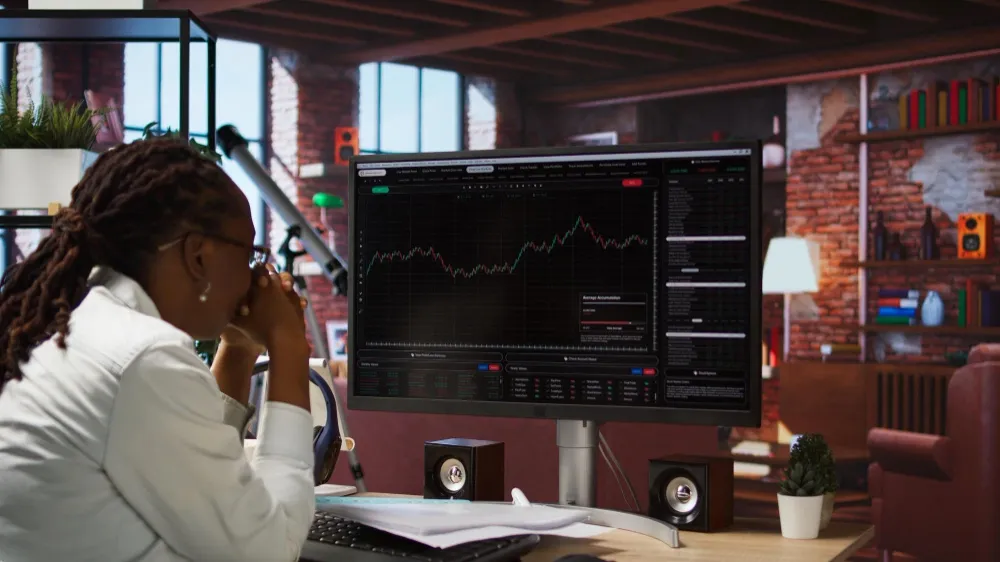
Loss aversion is a psychological bias that makes losses feel more painful than gains feel good.
In money terms, losing 100 dollars usually hurts more than gaining 100 dollars feels satisfying.
This simple bias silently shapes how you save, invest and react to market swings.
Understanding Loss Aversion
In behavioral finance, loss aversion describes our tendency to strongly prefer avoiding losses over achieving gains of the same size.
Experiments suggest a loss can feel about two times more powerful than an equal gain.
So a 10% drop in your portfolio feels worse than a 10 percent rise feels good.
This emotional imbalance pushes people to play too safe at the wrong times, or take strange risks just to avoid “locking in” a loss.
Examples
You see loss aversion everywhere, even outside investing. People keep unwanted subscriptions because cancelling feels like losing access.
Shoppers drive across town to use a small voucher instead of “wasting” it.
In investing, it shows up when someone refuses to sell a bad stock because “I will wait until I am back to break even.”
How Loss Aversion Hurts Investors
Loss aversion can damage your results in several ways.
Holding losers too long
You keep weak stocks because selling makes the loss feel real, even when the business is clearly deteriorating.
Selling winners too early
You take quick profits on good stocks to “secure the gain,” then let losers sit and grow. This is the classic “selling your flowers and watering your weeds” problem.
Fear of getting started
You avoid investing at all because you fear seeing red numbers, so your cash sits idle and loses value to inflation.
Panic selling in volatility
When markets fall sharply, fear of further losses can trigger panic selling at the worst moment.
Overly conservative portfolios
To avoid losses at any cost, some investors stay too heavily in cash or very low risk assets and miss long term growth.
Signs You May Be Loss Averse
You cannot measure loss aversion perfectly, but there are common patterns.
You might be strongly loss averse if you often:
- Check your portfolio multiple times a day and feel stressed by small drops.
- Refuse to sell losing positions because “I will only sell when I am back at my entry price.”
- Feel more upset about a 5 percent loss than pleased about a 5% gain.
- Avoid investing in stocks at all, even for long term goals, because “I do not want to see my money go down.”
If these feel familiar, your emotions may be driving more of your decisions than you realise.
How To Reduce The Impact Of Loss Aversion
You cannot delete loss aversion, but you can design habits that keep it in check.
1. Use a written plan
Define your time horizon, risk tolerance and asset mix in advance.
When markets get rough, you follow the plan instead of the panic.
2. Focus on percentages, not just cash
A 500 dollar loss on a 10,000 dollar portfolio is 5%, which is normal volatility.
Framing in percentages can make swings feel less dramatic.
3. Automate contributions
Regular investing, such as dollar cost averaging into diversified ETFs or stocks, reduces the urge to time the market.
You invest through both ups and downs instead of waiting for a “perfect” moment.
4. Set rules for selling
Decide clear rules for when you will exit a position, for example:
- Sell if the thesis breaks, not just because the price falls.
- Trim positions that become too large a percentage of your portfolio.
Rules reduce the temptation to hold losers forever.
5. Limit how often you check prices
Checking your portfolio daily increases the chance you see a loss and react emotionally.
For long term investing, a periodic review, such as monthly or quarterly, is often enough.
6. Diversify properly
A diversified portfolio smooths individual stock swings.
If one holding drops, others may hold or rise, which reduces the emotional punch of any single loss.
Conclusion
Loss aversion is a powerful bias that makes losses feel far worse than gains feel good.
Left unmanaged, it can lead you to hold losers too long, sell winners too soon, avoid investing, or panic at the wrong time.
By recognising the bias, setting clear rules, diversifying and automating parts of your process, you can keep your emotions in the passenger seat while your plan stays in the driver’s seat.
If you want to practise staying rational with real but small amounts, you can start exploring US stocks and ETFs through an app like Gotrade, using fractional shares to build your discipline step by step.
FAQ
- What is loss aversion in simple terms?
Loss aversion is the tendency to feel the pain of losing money more strongly than the pleasure of gaining the same amount. - Is loss aversion always bad?
Not always. It can protect you from reckless risks, but if it is too strong it can stop you from investing sensibly for long term goals. - How can I train myself to be less loss averse?
Create a written plan, invest regularly, review less often, use diversification and stick to pre defined rules instead of reacting to every short term move.
Disclaimer:
Gotrade is the trading name of Gotrade Securities Inc., which is registered with and supervised by the Labuan Financial Services Authority (LFSA). This content is for educational purposes only and does not constitute financial advice. Always do your own research (DYOR) before investing.